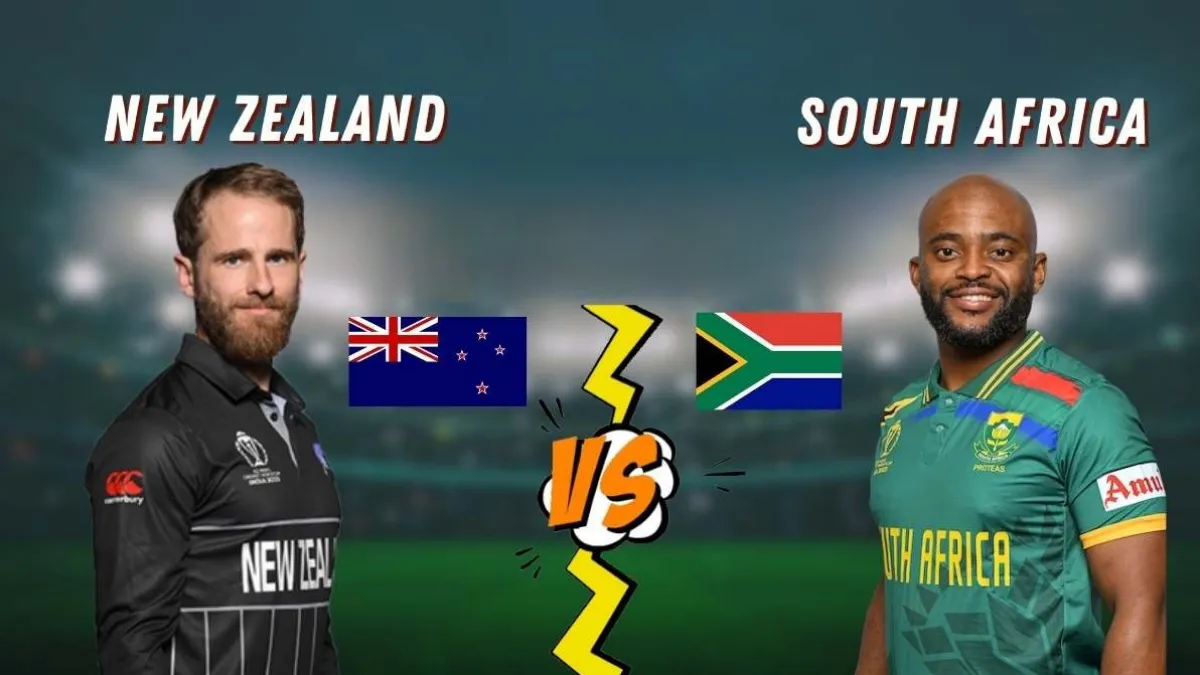
Who Is the Best Captain in Cricket History: A Complete and Honest Analysis

Who is the best captain in cricket history

Who is the best captain in cricket history is a question that has been debated by cricket fans, experts, and former players for decades. Cricket is a game where leadership plays a major role, and the captain is not just a player but the thinker, motivator, and decision-maker of the team. From setting the right field to handling pressure moments, a great captain can change the course of a match and even shape the future of a team.

This article explores who is the best captain in cricket history by looking at leadership qualities, team success, tactical skills, and long-term impact. Instead of choosing only one name blindly, we will examine the greatest captains the game has ever seen and understand what truly makes a captain legendary.

What Makes a Great Cricket Captain

Before answering who is the best captain in cricket history, it is important to understand what qualities define a great cricket captain.

A strong captain must have clear thinking and calmness under pressure. Cricket matches often turn in a few overs, and the captain must make quick and correct decisions. Field placements, bowling changes, and batting order adjustments all depend on the captain’s judgment.

Another important quality is the ability to inspire players. A great captain brings the best out of every team member, even average players. He builds confidence, unity, and belief in the dressing room.

Consistency and adaptability also matter. Cricket formats have changed over time, and the best captains adjust their strategies according to conditions, opponents, and match situations. Success across different formats adds to a captain’s greatness.

The Evolution of Captaincy in Cricket

Cricket captaincy has evolved with time. In the early days, captains relied mainly on experience and instinct. As the game became more competitive, captaincy started demanding deep tactical understanding and strong communication skills.

With the rise of limited-overs cricket, captains had to think faster and take more risks. The modern era added pressure from media, fans, and packed schedules. This evolution makes it even harder to decide who is the best captain in cricket history, as each era had different challenges.

Sir Don Bradman and Early Leadership Excellence

Sir Don Bradman is often remembered as the greatest batsman of all time, but his leadership also deserves respect. As Australia’s captain, Bradman led his team with discipline and authority.

His most famous achievement as a leader came during the Ashes series in England, where Australia dominated. Bradman’s tactical awareness and deep understanding of the game helped his team succeed in difficult conditions.

While captaincy was different in his era, Bradman laid the foundation for professional leadership in cricket. However, his captaincy career was relatively short, which limits his claim when discussing who is the best captain in cricket history.

Clive Lloyd and the Rise of West Indies Dominance

Clive Lloyd changed the meaning of cricket leadership in the 1970s and 1980s. Under his captaincy, the West Indies became the most feared team in world cricket.

Lloyd built a strong unit with fast bowlers and confident batsmen. He trusted his players and encouraged aggressive cricket. His calm personality balanced the team’s fiery talent.

West Indies remained unbeaten in Test series for many years during his leadership. Lloyd’s ability to unite players from different Caribbean islands into one powerful team is one of the strongest arguments when discussing who is the best captain in cricket history.

Imran Khan and the Power of Belief

Imran Khan is one of the most inspirational captains cricket has ever seen. He took charge of Pakistan during a challenging period and transformed the team with discipline and belief.

His greatest achievement was leading Pakistan to victory in the 1992 Cricket World Cup. That team was considered weak at the start, but Imran’s leadership turned them into champions.

Imran Khan backed young players, motivated his team relentlessly, and led by example. His leadership style was emotional, passionate, and fearless. For many fans, his ability to inspire under pressure places him high in the debate of who is the best captain in cricket history.

Kapil Dev and India’s Historic World Cup Win

Kapil Dev’s captaincy changed Indian cricket forever. Before 1983, India was not considered a strong team in world cricket. Kapil Dev led India to an unexpected and historic World Cup victory in England.

His leadership was based on positivity and self-belief. Kapil encouraged his players to compete without fear against stronger teams. His famous unbeaten innings against Zimbabwe showed how a captain can lead from the front.

Although Kapil Dev’s overall captaincy record was mixed, his impact on Indian cricket history is unmatched. His World Cup triumph makes him an important name when asking who is the best captain in cricket history.

MS Dhoni and Calm Leadership Under Pressure

MS Dhoni is often the first name that comes to mind when discussing modern cricket leadership. His calm attitude and sharp decision-making earned him respect across the cricketing world.

Dhoni is the only captain to win all three major ICC trophies: the T20 World Cup, the ODI World Cup, and the Champions Trophy. Under his leadership, India also became the number one Test team.

What makes Dhoni special is his ability to remain calm in tense moments. He trusted his instincts and allowed players to express themselves. His man-management skills helped many young players become match-winners.

Dhoni’s success across formats and tournaments makes him a very strong answer to who is the best captain in cricket history.

Ricky Ponting and Australia’s Golden Era

Ricky Ponting led Australia during one of the most dominant periods in cricket history. Under his captaincy, Australia won multiple World Cups and remained unbeaten in major tournaments.

Ponting was aggressive, competitive, and extremely focused on winning. He continued the legacy built by earlier Australian captains and maintained high standards within the team.

His leadership benefited from having some of the greatest players of all time, but managing such strong personalities is also a skill. Ponting’s consistent success puts him firmly in the discussion of who is the best captain in cricket history.

Stephen Fleming and Tactical Brilliance

Stephen Fleming may not have the most trophies, but his tactical intelligence stands out. He led New Zealand with limited resources and often challenged stronger teams through smart planning.

Fleming was known for creative field placements and clever bowling changes. He maximized the potential of his players and built a competitive team culture.

His contribution proves that greatness in captaincy is not only about winning trophies but also about making the best use of available talent.

Graeme Smith and Leadership at a Young Age

Graeme Smith became South Africa’s captain at a very young age and carried the responsibility with maturity. He led South Africa to historic series wins, including victories in Australia and England.

Smith was tough, determined, and highly respected by his teammates. He handled pressure well and stood strong during difficult phases for South African cricket.

His leadership longevity and overseas success make him a serious contender when evaluating who is the best captain in cricket history.

Who Is the Best Captain in Cricket History Based on Achievements

When achievements are considered, captains like MS Dhoni and Ricky Ponting stand out due to their trophy records. Winning global tournaments requires consistent performance and strong leadership.

Dhoni’s success across all ICC tournaments and Ponting’s World Cup dominance are unmatched in numbers. However, achievements alone do not fully answer who is the best captain in cricket history.

Also read: Who Hit the Longest Six in Cricket History: A Complete and Clear Answer

Who Is the Best Captain in Cricket History Based on Impact

Impact is about how a captain changes a team’s mindset and future. Captains like Kapil Dev, Clive Lloyd, and Imran Khan transformed their teams completely.

Kapil Dev changed how India viewed itself in world cricket. Clive Lloyd created an era of West Indies dominance. Imran Khan inspired belief and resilience in Pakistan cricket.

These leaders may not have the most trophies, but their influence lasted for generations.

Comparing Different Eras and Challenges

Comparing captains from different eras is difficult because the game has changed so much. Early captains faced fewer matches but limited technology. Modern captains deal with intense schedules, media pressure, and multiple formats.

Each era produced leaders suited to its challenges. This is why the debate on who is the best captain in cricket history has no single correct answer.

Also read: South Africa National Cricket Team vs New Zealand National Cricket Team Timeline: A Complete History of Rivalry, Turning Points, and Modern Classics

Conclusion on Who Is the Best Captain in Cricket History

So, who is the best captain in cricket history? The answer depends on what you value most in leadership. If trophies and calm decision-making matter most, MS Dhoni stands out. If dominance and winning culture define greatness, Ricky Ponting is a strong choice. If inspiration and transformation matter, Imran Khan, Clive Lloyd, and Kapil Dev deserve top recognition.

Cricket history is rich with exceptional leaders, each leaving a unique mark on the game. Instead of one perfect answer, the beauty of cricket lies in celebrating these legendary captains who shaped the sport in their own way.

Who Hit the Longest Six in Cricket History: A Complete and Clear Answer

Who hit the longest six in cricket history

Who hit the longest six in cricket history is a question that excites cricket fans across the world and often leads to passionate debates. Power hitting has always been one of the most thrilling parts of the game, and over the years, a few cricketers have hit sixes so massive that they are still talked about today. In this detailed article, we explore the most famous long sixes in cricket, the players behind them, and why the answer is not as simple as naming just one person.

Understanding the Debate Around the Longest Six in Cricket

Before naming any player, it is important to understand why the question of who hit the longest six in cricket history does not have a single official answer. Cricket has been played for more than a century, but accurate measurement tools like ball-tracking technology and distance sensors were not always available.

In older matches, distances were often estimated visually or reported by commentators and newspapers. Even in modern cricket, different stadium shapes, camera angles, and measurement methods can affect reported distances. This is why several players are often mentioned when discussing the longest six in cricket history.

Shahid Afridi and the 158-Metre Six

Who Hit the Longest Six in Cricket History According to Popular Records

When people ask who hit the longest six in cricket history, the name Shahid Afridi comes up most often. The former Pakistan all-rounder is widely believed to have hit the longest six ever recorded in international cricket.

In 1996, during a match against South Africa in Nairobi, Afridi smashed a gigantic six that was reportedly measured at around 158 metres. This shot was hit off fast bowler Andrew Simons and cleared the stadium with ease.

Afridi was known for his fearless batting style and raw power. Even as a teenager, he could hit the ball harder and farther than most experienced players. That single six became legendary and is still cited in discussions today.

Why Afridi’s Six Is So Famous

Afridi’s six stands out not just because of the distance, but also because of the era in which it was hit. Cricket bats were heavier, boundary sizes were larger, and fitness training was not as advanced as it is today. Hitting a six of that length under those conditions made the shot even more remarkable.

While some experts question the exact measurement, there is no doubt that Afridi’s six was among the longest ever seen on a cricket field.

Brett Lee’s Massive 143-Metre Six

The Fast Bowler Who Shocked the Cricket World

Another strong answer to who hit the longest six in cricket history is Australia’s Brett Lee. Known primarily as one of the fastest bowlers in the game, Lee surprised everyone with his batting power.

During a Test match against the West Indies in 2005, Brett Lee hit a six off Darren Powell that reportedly traveled around 143 metres. The ball sailed over the roof of the stadium, leaving spectators stunned.

Why Brett Lee’s Six Is Special

What makes this six memorable is the fact that Brett Lee was not a specialist batsman. His technique was simple, but his strength and timing were perfect in that moment. For a fast bowler to hit such a long six in a Test match added to the uniqueness of the shot.

Many fans and former players still consider Brett Lee’s six as one of the strongest contenders when discussing who hit the longest six in cricket history.

Chris Gayle and the Power-Hitting Era

The Modern Icon of Big Sixes

If there is one player who defines six-hitting in modern cricket, it is Chris Gayle. The West Indies legend is known as the “Universe Boss” for a reason. Gayle has hit more sixes than almost any player in cricket history, especially in T20 cricket.

One of his longest sixes was hit during the Indian Premier League, where he launched the ball an estimated 119 metres. The shot landed deep into the stands and became an instant highlight.

Why Gayle Changed the Conversation

Chris Gayle played in an era with better fitness, lighter bats, and shorter formats like T20 cricket. These factors allowed him to consistently hit huge sixes. While his longest six may not top Afridi’s or Brett Lee’s in distance, Gayle’s ability to hit big sixes regularly is unmatched.

For many fans, Gayle is the most entertaining answer to who hit the longest six in cricket history, even if the numbers suggest otherwise.

Yuvraj Singh and His Iconic Power Shots

India’s Six-Hitting Hero

Yuvraj Singh is another name that cannot be ignored when discussing who hit the longest six in cricket history. The former Indian all-rounder was known for his elegant yet powerful batting.

One of Yuvraj’s longest sixes was measured at around 119 metres. He hit this massive shot during an international match, showcasing his perfect balance of timing and strength.

More Than Just One Big Six

Yuvraj’s legacy is not built on a single long six but on his ability to dominate bowlers. His six sixes in an over against Stuart Broad in the 2007 T20 World Cup changed the way power hitting was viewed in Indian cricket.

While Yuvraj may not officially hold the record, his name remains central in any discussion about the longest sixes ever hit.

MS Dhoni and the Helicopter Shot Power

The Calm Finisher with Explosive Strength

MS Dhoni is known for his calm personality, but his batting power was anything but calm. Dhoni’s famous helicopter shot allowed him to generate incredible bat speed and distance.

One of his longest sixes, hit during an international match, was estimated to be over 112 metres. The ball flew straight into the crowd, leaving fans amazed.

Dhoni’s Unique Strength

Dhoni’s strength came from his wrists and core rather than brute force. This made his sixes look effortless, even when they traveled huge distances. While he may not be the top answer to who hit the longest six in cricket history, his shots are among the most memorable.

Corey Anderson and the New Zealand Record

A Modern-Day Giant Hit

New Zealand all-rounder Corey Anderson also entered the conversation when he hit a massive six measured at around 122 metres. Known for his physical strength and aggressive style, Anderson’s shot was one of the longest seen in recent years.

Why Anderson’s Six Matters

Anderson played in an era where measurements were more accurate. This gives his six strong credibility compared to older estimates. For some experts, this makes his claim stronger when debating who hit the longest six in cricket history.

Why There Is No Official World Record

Lack of Standard Measurement

One of the biggest reasons there is no official answer to who hit the longest six in cricket history is the lack of a standard measurement system across eras. Different stadiums use different technologies, and older matches relied on estimates.

Also read: India National Cricket Team vs Bangladesh National Cricket Team Timeline: A Detailed Journey of Rivalry, Growth, and Changing Dynamics

Changing Equipment and Conditions

Modern bats are lighter and more powerful, pitches are flatter, and boundaries are often shorter. Comparing a six hit in the 1990s with one hit today is not always fair or accurate.

Because of these factors, cricket authorities have never officially declared a single longest six in history.

So, Who Hit the Longest Six in Cricket History?

Based on popular belief, fan discussions, and reported measurements, Shahid Afridi is most often named when answering who hit the longest six in cricket history, thanks to his reported 158-metre six.

However, players like Brett Lee, Chris Gayle, Yuvraj Singh, MS Dhoni, and Corey Anderson have all hit extraordinary sixes that deserve recognition. Each of these shots came in different conditions and eras, making direct comparison difficult.

Also read: India National Cricket Team Vs Australian Mens Cricket Team Match Scorecard: A Defining Rivalry That Continues to Shape World Cricket

Conclusion on the Longest Six Debate

The question of who hit the longest six in cricket history is as much about emotion as it is about numbers. Cricket fans love these debates because they celebrate the power, skill, and excitement that make the game special.

While Shahid Afridi is widely considered the top answer, the true joy lies in remembering all the incredible moments when the ball disappeared into the stands. As cricket continues to evolve, it is only a matter of time before someone challenges these legendary distances again.

India National Cricket Team vs Bangladesh National Cricket Team Timeline: A Detailed Journey of Rivalry, Growth, and Changing Dynamics

india national cricket team vs bangladesh national cricket team timeline

india national cricket team vs bangladesh national cricket team timeline is not merely a record of matches and results; it is a story of evolution, aspiration, dominance, resistance, and gradual balance in South Asian cricket. From Bangladesh’s early days as an emerging cricketing nation to its rise as a competitive force capable of challenging India across formats, this timeline reflects how cricketing relationships change with time, infrastructure, belief, and talent.

This long-form chronicle traces the encounters between the two national teams across Tests, One Day Internationals, and T20 Internationals, placing each phase in historical context. It explores key series, memorable performances, turning points, and the broader cricketing environment that shaped the rivalry.

Early Context: Bangladesh’s Cricketing Roots and India’s Established Legacy

Before Bangladesh gained Test status, India had already spent decades building its cricketing foundation. India became a Test-playing nation in 1932 and gradually evolved into a formidable cricketing power, particularly from the 1970s onward. Bangladesh, by contrast, emerged from a different historical and sporting background.

Cricket in Bangladesh grew steadily during the 1980s and 1990s, fueled by strong domestic interest, passionate crowds, and regional competitions. Bangladesh’s participation in ICC tournaments during the 1990s, especially the 1997 ICC Trophy victory, paved the way for its elevation to full membership.

When Bangladesh officially became a Test-playing nation in 2000, the stage was set for the first official chapter in the india national cricket team vs bangladesh national cricket team timeline.

First Official Encounters (2000-2004): Learning Years for Bangladesh

The Historic First Test Series-2000

The first Test match between India and Bangladesh took place in November 2000 in Dhaka. For Bangladesh, this was a moment of national pride-their inaugural Test match. India arrived as heavy favorites, boasting experienced players and a deep cricketing tradition.

India dominated the match, winning comfortably. While the result was expected, Bangladesh’s determination and resilience, especially from individual batters, earned respect. This match symbolized the beginning of a long journey rather than a rivalry in the conventional sense.

Early One Day Internationals

During this period, India and Bangladesh met occasionally in ODIs, primarily in multi-nation tournaments. India won most encounters, often by large margins. Bangladesh’s role during these years was that of learners competing against a far superior side.

Despite repeated losses, these matches provided Bangladesh with invaluable exposure to elite cricketing standards.

Establishing Regularity (2004-2009): Signs of Resistance

As Bangladesh invested more in domestic cricket and youth development, subtle improvements began to appear.

India Tour of Bangladesh 2004

India toured Bangladesh in 2004 for a Test and ODI series. While India won the Test series, Bangladesh showed glimpses of competitiveness, particularly in limited-overs matches. The gap remained wide, but the contests were no longer one-sided exhibitions.

2007 World Cup Shock

One of the most significant moments in the india national cricket team vs bangladesh national cricket team timeline occurred during the 2007 ICC Cricket World Cup in the West Indies. Bangladesh stunned India by defeating them in the group stage.

This loss contributed to India’s early exit from the tournament and sent shockwaves through the cricketing world. For Bangladesh, it was a statement victory-proof that they could compete with top teams on the global stage.

This match fundamentally changed perceptions and added genuine competitive tension to future India–Bangladesh encounters.

Growth and Confidence (2010-2014): Bangladesh Comes of Age

Asia Cup Encounters

The Asia Cup became a recurring battleground during this phase. Bangladesh, playing at home in several editions, pushed India hard and even defeated them on occasion.

2012 Asia Cup Highlights

In the 2012 Asia Cup held in Bangladesh, the hosts defeated India in a memorable match, chasing a challenging total. This victory demonstrated Bangladesh’s growing confidence, especially in home conditions.

Rise of Key Players

This era saw the emergence of influential Bangladeshi players who would define the rivalry for years:

  • Consistent top-order batters
  • Skilled spinners exploiting subcontinental pitches
  • Improved fielding standards

India still maintained overall dominance, but Bangladesh had clearly transitioned from underdogs to credible opponents.

The Competitive Phase (2015-2019): A True Rivalry Takes Shape

The period between 2015 and 2019 represents a crucial chapter in the india national cricket team vs bangladesh national cricket team timeline.

2015 ODI Series in Bangladesh

Bangladesh achieved a historic milestone by defeating India 2-1 in a home ODI series. This was Bangladesh’s first bilateral series win over India.

The series was marked by intense competition, crowd energy, and controversial moments. It signaled a shift in power dynamics, at least in limited-overs cricket within Bangladesh.

ICC Tournaments and Knockout Drama

India and Bangladesh faced each other multiple times in ICC tournaments during this period:

  • 2015 World Cup quarterfinal
  • 2016 T20 World Cup group stage
  • 2017 Champions Trophy semifinal

Each encounter was dramatic, closely fought, and emotionally charged. India emerged victorious in most knockout games, often through individual brilliance under pressure.

Psychological Edge

While Bangladesh won bilateral series at home, India maintained a psychological edge in global tournaments, reinforcing its reputation as a big-match team.

Test Cricket Evolution (2017-2023): Dominance with Respect

In Test cricket, India continued to dominate Bangladesh, but the matches increasingly showcased Bangladesh’s resilience.

Bangladesh’s First Test Win Over India-2022

A landmark moment arrived in December 2022 when Bangladesh defeated India in a Test match at home. This victory was celebrated as a historic achievement, symbolizing Bangladesh’s progress in the longest format.

Although India won the series, the win underscored Bangladesh’s growing depth and belief in Test cricket.

T20 Internationals: Short Format, High Drama

The T20 format added a new layer to the rivalry.

Close Finishes and Tactical Battles

Matches between India and Bangladesh in T20 Internationals often featured narrow margins, last-over finishes, and tactical chess matches between captains.

Bangladesh’s aggressive batting approach and India’s depth in all-round talent made for compelling contests, especially in Asia Cup and World Cup settings.

Statistical Overview of the Rivalry

Below is a simplified table summarizing the overall head-to-head record across formats. The numbers reflect the broader trends in the india national cricket team vs bangladesh national cricket team timeline.

FormatMatches PlayedIndia WinsBangladesh WinsNo Result
Tests131120
ODIs40+Majority IndiaSeveral Key WinsFew
T20Is15+Majority IndiaFew Notable Wins0

Note: Figures are approximate and intended to illustrate trends rather than exact statistics.

Home Advantage and Conditions

A defining feature of this rivalry has been the importance of home conditions.

  • In Bangladesh: Slow pitches, spin-friendly tracks, and passionate crowds have often tilted matches in Bangladesh’s favor, particularly in ODIs.
  • In India: India’s depth, bench strength, and familiarity with conditions have ensured continued dominance.

Neutral venues, especially during ICC tournaments, tend to favor India due to experience and composure.

Read also: South Africa National Cricket Team vs New Zealand National Cricket Team Timeline: A Complete History of Rivalry, Turning Points, and Modern Classics

Cultural and Emotional Dimensions

The india national cricket team vs bangladesh national cricket team timeline is also shaped by cultural closeness and emotional investment.

  • Shared cricketing heritage
  • Similar playing conditions
  • Passionate fan bases
  • High media attention

Matches between the two sides are followed intensely in both countries, adding emotional stakes beyond points and trophies.

Leadership and Tactical Evolution

Leadership styles have influenced the rivalry significantly.

  • India’s captains have emphasized fitness, fast bowling depth, and adaptability.
  • Bangladesh’s leaders have focused on belief, fearless cricket, and maximizing home advantage.

Over time, Bangladesh’s tactical maturity has improved, narrowing the strategic gap.

Read also: New Zealand National Cricket Team vs South Africa National Cricket Team Timeline: Full History, Iconic Matches, and Modern Rivalry Explained

Recent Years and Ongoing Developments (2023-Present)

In recent encounters, the matches have remained competitive, with India retaining overall superiority while Bangladesh continues to challenge strongly at home.

Young players from both teams are shaping the next phase of the rivalry, suggesting that future chapters of the india national cricket team vs bangladesh national cricket team timeline will be even more balanced.

The Broader Significance of the Timeline

This timeline reflects more than results:

  • It charts Bangladesh’s rise from newcomers to serious contenders.
  • It highlights India’s consistency and adaptability across generations.
  • It demonstrates how rivalries evolve with investment and opportunity.

Read also: India National Cricket Team Vs Australian Mens Cricket Team Match Scorecard: A Defining Rivalry That Continues to Shape World Cricket

Conclusion: A Rivalry Still Writing Its Story

The india national cricket team vs bangladesh national cricket team timeline is a compelling narrative of growth, challenge, and transformation. What began as predictable contests has evolved into a rivalry marked by intensity, respect, and unpredictability.

India remains one of the strongest teams in world cricket, while Bangladesh has firmly established itself as a force capable of altering outcomes, especially on home soil. As both teams continue to evolve, their encounters promise drama, quality cricket, and moments that will further enrich this timeline for years to come.

India National Cricket Team Vs Australian Mens Cricket Team Match Scorecard: A Defining Rivalry That Continues to Shape World Cricket

India National Cricket Team Vs Australian Mens Cricket Team Match Scorecard

India National Cricket Team Vs Australian Mens Cricket Team Match Scorecard: The rivalry between the India National Cricket Team and the Australian Men’s Cricket Team stands as one of the most influential and closely followed contests in the history of international cricket. Few sporting rivalries carry the same intensity, emotional weight, and global attention as India versus Australia. Whether played in packed stadiums in India, under the harsh Australian sun, or on neutral grounds during ICC tournaments, encounters between these two teams have consistently delivered drama, skill, controversy, and unforgettable moments.

Over the decades, this rivalry has evolved far beyond a simple contest between bat and ball. It represents a deeper clash of cricketing ideologies-Australia’s traditionally aggressive, uncompromising approach versus India’s blend of technical excellence, resilience, and growing fearlessness. Each series, match, and individual performance adds a new chapter to a rivalry that has shaped modern cricket.

This detailed report presents a comprehensive breakdown of the India National Cricket Team Vs Australian Men’s Cricket Team Match Scorecard, covering both a high-intensity T20 encounter and a gripping Test match. Alongside the scorecards, this article explores the broader significance of these matches, key individual performances, tactical battles, and what they reveal about the current state of both teams.

A Rivalry Forged Through History and High Stakes

The roots of the India-Australia rivalry can be traced back to the early days of India’s Test cricket journey. Australia, long regarded as one of cricket’s most dominant nations, set benchmarks that emerging teams aspired to reach. For decades, India struggled on Australian soil, often overwhelmed by pace, bounce, and relentless pressure.

However, the relationship between these teams began to change dramatically from the late 1990s and early 2000s. India’s growing confidence, driven by players such as Sachin Tendulkar, Rahul Dravid, Sourav Ganguly, and Anil Kumble, challenged Australia’s dominance. Memorable moments such as India’s iconic victory at Eden Gardens in 2001 and Tendulkar’s masterclass in Sharjah helped redefine the balance between the two sides.

World Cup encounters further intensified the rivalry. Australia’s victory over India in the 2003 World Cup final was a crushing moment for Indian fans, while India’s historic triumph in the 1983 final laid the foundation for their cricketing rise. Each ICC event since has added another layer of anticipation whenever these two teams meet.

In recent years, the Border-Gavaskar Trophy has become one of the most fiercely contested Test series in the world. India’s consecutive series victories in Australia, including the remarkable comeback in 2020–21 despite multiple injuries, have permanently altered perceptions about India’s ability to dominate in hostile conditions.

Against this rich historical backdrop, the recent T20 and Test encounters further reinforced why this rivalry remains central to global cricket.

India National Cricket Team Vs Australian Mens Cricket Team Match Scorecard (T20 Match)

The T20 format often magnifies pressure, demanding quick decisions, explosive batting, and precise bowling. When India and Australia face each other in this format, the intensity is amplified, as both teams possess world-class power hitters and tactically astute bowlers.

In this closely fought T20 match, India emerged victorious by a narrow margin, showcasing depth, composure, and effective bowling under pressure.

India’s First Innings: 160/8 in 20 Overs

Batting first, the India National Cricket Team posted a competitive total of 160 runs for the loss of eight wickets in their allotted 20 overs. The innings was built around a measured yet aggressive approach, balancing early momentum with middle-order stability.

Young opener Yashasvi Jaiswal provided a brisk start, scoring 21 runs off just 15 balls. His innings included a boundary and two towering sixes, reflecting his natural attacking instincts. However, he fell early, and India lost momentum when Ruturaj Gaikwad struggled to find fluency, managing only 10 runs from 12 deliveries.

The innings was steadied by Shreyas Iyer, who played a crucial knock of 53 runs from 37 balls. His innings was a blend of calculated aggression and composure, featuring five boundaries and two sixes. Iyer’s ability to rotate the strike while punishing loose deliveries proved vital in keeping India on track.

India’s middle order experienced brief setbacks as Suryakumar Yadav and Rinku Singh were dismissed cheaply. However, Jitesh Sharma injected momentum with an energetic 24 off 16 balls, striking three fours and a six at a brisk pace.

The finishing responsibility fell to Axar Patel, who delivered an impactful 31 runs from 21 balls. His contribution ensured India crossed the 150-run mark, a psychologically important milestone in T20 cricket. Late contributions from the lower order helped India reach 160/8, a total that was competitive but required disciplined bowling.

Indian Batting Scorecard (T20)

  • Yashasvi Jaiswal: 21 (15)
  • Ruturaj Gaikwad: 10 (12)
  • Shreyas Iyer: 53 (37)
  • Suryakumar Yadav: 5 (7)
  • Rinku Singh: 6 (8)
  • Jitesh Sharma: 24 (16)
  • Axar Patel: 31 (21)
  • Ravi Bishnoi: 2 (2)
  • Arshdeep Singh: 2* (2)

Australian Bowling Performance

Australia’s bowlers displayed discipline, especially in the middle overs. Jason Behrendorff and Ben Dwarshuis picked up two wickets each, while Aaron Hardie, Nathan Ellis, and Tanveer Sangha contributed with crucial breakthroughs. Despite a few expensive overs, Australia restricted India to a manageable total.

Australia’s Second Innings: 154/8 in 20 Overs

Chasing 161, Australia began positively, with Travis Head playing an aggressive cameo of 28 off 18 balls. His intent set the tone, but his dismissal slowed the chase.

The innings revolved around Ben McDermott, who top-scored with a powerful 54 from 36 balls. His innings featured five sixes and kept Australia within striking distance. However, lack of consistent support from the other end proved costly.

Middle-order contributions from Tim David, Matt Short, and Matthew Wade kept the chase alive, but regular wickets prevented Australia from building a decisive partnership. The required run rate steadily climbed as India tightened their grip on the match.

India’s Bowling Under Pressure

India’s bowlers delivered a disciplined performance in the death overs. Mukesh Kumar emerged as the standout performer, claiming three wickets for 32 runs. His ability to hit the right lengths disrupted Australia’s momentum.

Axar Patel once again proved his value, conceding just 14 runs in four overs while picking up a key wicket. Ravi Bishnoi and Arshdeep Singh supported effectively, ensuring Australia fell short by six runs.

T20 Match Result

India defeated Australia by 6 runs in a closely contested T20 match, underlining their depth and ability to handle pressure situations.

India National Cricket Team Vs Australian Mens Cricket Team Match Scorecard (Test Match)

The Test match between India and Australia offered a stark contrast to the fast-paced T20 encounter. Played under challenging conditions, the match tested patience, technique, and mental resilience-hallmarks of traditional Test cricket.

Australia emerged victorious by six wickets, but the match featured multiple momentum swings and standout individual performances from both sides.

India First Innings: 185 All Out

India’s first innings proved challenging, as Australia’s disciplined bowling exposed technical vulnerabilities. Openers struggled against movement and bounce, with early wickets putting India on the back foot.

Rishabh Pant top-scored with a gritty 40 runs, displaying resistance during a difficult phase. Contributions from Ravindra Jadeja and Jasprit Bumrah added some respectability, but India was eventually dismissed for 185.

Australian pacer Scott Boland delivered a masterclass in seam bowling, claiming four wickets and maintaining relentless accuracy.

Australia First Innings: 181 All Out

Australia responded with a competitive but modest total. Beau Webster anchored the innings with a patient 57, while Travis Head provided a counter-attacking 43. India’s bowlers, led by Prasidh Krishna and Mohammed Siraj, ensured the deficit remained minimal.

The innings ended at 181, giving Australia a slender lead and setting up a tense contest.

India Second Innings: 157 All Out

India’s second innings saw moments of brilliance, particularly from Rishabh Pant, who played an explosive knock of 61 off 33 balls. His aggressive approach briefly shifted momentum in India’s favor.

However, consistent support was lacking, and once Pant was dismissed, the innings collapsed. Scott Boland was again the chief tormentor, claiming five wickets and dismantling India’s batting lineup.

Australia Second Innings: 162/4

Chasing 162, Australia adopted a calm and controlled approach. Beau Webster remained unbeaten on 39, while Travis Head contributed a steady 34*. Despite a few early wickets, Australia comfortably reached the target, sealing a six-wicket victory.

Read also: New Zealand National Cricket Team vs South Africa National Cricket Team Timeline: Full History, Iconic Matches, and Modern Rivalry Explained

What These Matches Reveal About Both Teams

The India National Cricket Team Vs Australian Men’s Cricket Team Match Scorecard highlights contrasting strengths across formats. India’s depth and adaptability shone in the T20 match, while Australia’s discipline and experience proved decisive in the Test encounter.

India’s young talent continues to impress, particularly in limited-overs cricket, while Australia’s ability to execute plans in Test matches remains formidable. Both teams are in phases of transition, blending experienced campaigners with emerging stars.

Read also: South Africa National Cricket Team vs New Zealand National Cricket Team Timeline: A Complete History of Rivalry, Turning Points, and Modern Classics

Conclusion: A Rivalry That Defines Modern Cricket

The rivalry between India and Australia remains one of cricket’s greatest spectacles. Each match adds new layers to a story defined by resilience, rivalry, and respect. Whether in the explosive T20 format or the traditional Test arena, these contests capture the imagination of fans worldwide.

As future series and ICC tournaments loom, the cricketing world can be certain of one thing-the India National Cricket Team Vs Australian Mens Cricket Team Match Scorecard will continue to be studied, debated, and celebrated as a symbol of cricket at its very best.

New Zealand National Cricket Team vs South Africa National Cricket Team Timeline: Full History, Iconic Matches, and Modern Rivalry Explained

New Zealand National Cricket Team vs South Africa National Cricket Team Timeline

The new zealand national cricket team vs south africa national cricket team timeline represents one of international cricket’s most compelling yet understated rivalries. It is a contest built not on hostility, but on intensity, respect, and relentless competition. Across decades, the two teams have produced matches that blend tactical brilliance, mental toughness, and unforgettable individual performances.

While the rivalry may not attract the same historic spotlight as some traditional cricket feuds, encounters between New Zealand and South Africa have often carried enormous significance-especially in ICC tournaments and decisive bilateral series. From the early 2000s to the landmark clashes of 2024 and 2025, the balance of power between these two nations has evolved dramatically.

This in-depth article explores the new zealand national cricket team vs south africa national cricket team timeline from its foundations to the present era, covering Tests, ODIs, and T20Is. It examines key series, match-defining moments, tactical trends, standout players, and what the future holds for this ever-evolving rivalry.

Origins of the New Zealand vs South Africa Cricket Rivalry

The rivalry between New Zealand and South Africa developed gradually rather than explosively. Unlike geographically driven rivalries, this contest grew through repeated high-quality competition and contrasting cricketing philosophies.

Different Paths, Shared Discipline

  • South Africa traditionally built its identity around pace, physical dominance, and fast-bowling firepower. The Proteas became known for intimidating attacks and powerful batting units.
  • New Zealand, on the other hand, earned its reputation through adaptability, discipline, and tactical clarity. The Black Caps relied less on raw pace and more on collective execution and game awareness.

These differences shaped the nature of the rivalry. Matches were rarely predictable and often decided by strategic nuance rather than sheer dominance.

Overview of the New Zealand National Cricket Team vs South Africa National Cricket Team Timeline

Across formats, the rivalry has experienced several shifts:

  • Test Cricket: Historically dominated by South Africa, but New Zealand gradually closed the gap and achieved a historic breakthrough in 2024.
  • One Day Internationals: South Africa holds a stronger overall win record, though New Zealand has triumphed in major tournament encounters.
  • T20 Internationals: Limited meetings, but recent matches suggest New Zealand’s growing edge in adaptability and squad depth.

What makes this rivalry special is not frequency, but importance—many of their clashes occur when stakes are highest.

Chronological Timeline of Major Encounters

Early 2000s: Laying the Foundations

2003–04 Tour of New Zealand

This tour marked one of the earliest defining chapters in the modern new zealand national cricket team vs south africa national cricket team timeline.

  • Test series ended 1–1, highlighting competitive balance.
  • New Zealand dominated the ODI series 5–1.
  • The results exposed South Africa’s struggles in subcontinental-style conditions against disciplined bowling.

This series planted the seeds for a rivalry based on tactical battles rather than dominance.

2010s: South Africa’s Period of Control

2016–17 Tour of New Zealand

South Africa entered this tour as the stronger side and largely delivered on expectations.

  • Won the Test series 1–0.
  • Claimed the ODI series 3–2.
  • Also emerged victorious in the T20I leg.

South Africa’s pace attack proved decisive, reinforcing their reputation as one of the most formidable fast-bowling units in world cricket.

Early 2020s: Competitive Balance Emerges

2021–22 Test Series

This two-match series ended in a 1–1 draw, reflecting the narrowing gap between the two sides.

  • New Zealand demonstrated resilience in red-ball cricket.
  • South Africa faced growing challenges away from home.

This series signaled that the rivalry had entered a more balanced phase.

2024: A Historic Turning Point in Test Cricket

Tangiwai Shield – New Zealand vs South Africa (2024)

The 2024 Test series stands as one of the most significant moments in the new zealand national cricket team vs south africa national cricket team timeline.

  • New Zealand won both Tests to secure a 2–0 series victory.
  • It was New Zealand’s first-ever Test series win against South Africa.
  • The triumph symbolized New Zealand’s arrival as a consistent force in long-format cricket.

Young bowlers stepped up, senior batters anchored crucial innings, and the team displayed exceptional preparation and belief.

2025: Champions Trophy Semi-Final-A Defining ODI Clash

March 5, 2025 – Lahore

One of the most dramatic matches in the rivalry occurred during the ICC Champions Trophy semi-final.

Match Summary

  • New Zealand scored 362/6 batting first.
  • South Africa replied with 312/9.
  • Result: New Zealand won by 50 runs.

Key Moments

  • A commanding partnership between Rachin Ravindra and Kane Williamson laid the foundation.
  • Late-innings acceleration pushed New Zealand beyond South Africa’s reach.
  • South Africa fought bravely, led by a sensational century from David Miller, but fell short.

This match instantly became a modern classic.

Mid-2025: T20 Momentum Swings

T20I Tri-Series in Zimbabwe

New Zealand continued their strong run by defeating South Africa in a tri-series match.

  • Featured emerging players from both sides.
  • Highlighted New Zealand’s growing strength in T20 cricket.
  • Reinforced the notion that the rivalry was shifting in limited-overs formats.

Future Outlook: 2025–26 and Beyond

South Africa is scheduled to tour New Zealand for a five-match T20I series, ensuring the rivalry continues to evolve across formats.

Detailed Match Analysis: Champions Trophy Semi-Final 2025

New Zealand’s Innings

  • Batters built partnerships rather than chasing reckless acceleration.
  • Kane Williamson provided composure and structure.
  • Rachin Ravindra injected momentum and scored a match-defining century.
  • Late-order hitting pushed the total past 360.

South Africa’s Chase

  • Early partnerships kept the chase alive.
  • Middle-order collapses slowed momentum.
  • David Miller’s unbeaten century reignited hope, but required support never arrived.

Tactical Decisiveness

  • New Zealand’s use of spin in the middle overs disrupted South Africa’s rhythm.
  • Field placements and bowling rotations were executed with precision.

The 2024 Test Series: Why It Changed the Rivalry

The 2024 Test series was more than a win-it was a statement.

  • New Zealand displayed tactical maturity.
  • South Africa’s selections were questioned after resting key players.
  • Young New Zealand bowlers outperformed expectations.

This series reshaped perceptions of Test cricket strength between the two nations.

Players Who Shaped the Rivalry

Kane Williamson (New Zealand)

  • Central to New Zealand’s success across formats.
  • Known for calm leadership and technical excellence.

Rachin Ravindra (New Zealand)

  • Emerged as a modern all-round match-winner.
  • His performances in high-pressure matches elevated his status.

David Miller (South Africa)

  • A proven big-game performer.
  • His century in the 2025 semi-final remains iconic despite defeat.

Kagiso Rabada (South Africa)

  • Continues to lead South Africa’s pace attack.
  • Regularly delivers breakthroughs under pressure.

Tactical Patterns in the Rivalry

Pace vs Technique

South Africa’s fast bowlers test New Zealand’s technical discipline, while New Zealand batters emphasize patience and shot selection.

Spin as a Control Tool

New Zealand’s reliance on spin in limited-overs matches has frequently disrupted South Africa’s scoring patterns.

Captaincy Influence

Smart bowling changes, field settings, and review decisions often decide tight contests.

Format-Wise Comparison

Test Matches

  • Historical edge: South Africa
  • Recent momentum: New Zealand

One Day Internationals

  • Overall advantage: South Africa
  • Major tournament success: New Zealand

T20 Internationals

  • Fewer encounters
  • Recent trend favors New Zealand

Why the New Zealand vs South Africa Rivalry Matters

The new zealand national cricket team vs south africa national cricket team timeline reflects broader changes in international cricket:

  • Emphasis on planning over brute force
  • Rise of versatile all-rounders
  • Greater unpredictability in global tournaments

It demonstrates how adaptability and depth can challenge traditional power structures.

What Lies Ahead?

With new series scheduled and younger players stepping into leadership roles, the rivalry remains far from settled. Both teams continue to evolve, ensuring future encounters remain fiercely competitive.

Read also: South Africa National Cricket Team vs New Zealand National Cricket Team Timeline: A Complete History of Rivalry, Turning Points, and Modern Classics

Conclusion

The New Zealand National Cricket Team vs South Africa National Cricket Team timeline is a story of transformation. From South Africa’s early dominance to New Zealand’s modern breakthroughs, the rivalry has matured into one of cricket’s most intellectually engaging contests.

The 2024 Test series victory marked a historic shift, while the 2025 Champions Trophy semi-final confirmed New Zealand’s ability to deliver under extreme pressure. South Africa, meanwhile, continues to showcase resilience and world-class talent.

As both sides look ahead, one certainty remains: whenever New Zealand and South Africa meet, cricket fans can expect strategy, drama, and elite-level competition.

FAQs: New Zealand vs South Africa Cricket Timeline

Why is this rivalry important?

Because it consistently delivers high-quality cricket shaped by contrasting styles.

Who dominates Test cricket historically?

South Africa, though New Zealand gained momentum with their 2024 series win.

What was the most significant recent match?

The 2025 Champions Trophy semi-final won by New Zealand.

Who are the modern standout players?

Kane Williamson, Rachin Ravindra, David Miller, and Kagiso Rabada.

Which format is most competitive now?

ODIs and Tests offer the closest contests.

What is the Tangiwai Shield?

The trophy contested in Test series between New Zealand and South Africa.

When do they play next?

South Africa is scheduled to tour New Zealand for a T20I series in 2026.

South Africa National Cricket Team vs New Zealand National Cricket Team Timeline: A Complete History of Rivalry, Turning Points, and Modern Classics

South Africa National Cricket Team vs New Zealand National Cricket Team Timeline

The South Africa National Cricket Team vs New Zealand National Cricket Team timeline tells a story far deeper than wins and losses. It is a chronicle of evolving cricket philosophies, iconic individual performances, dramatic turning points, and moments that reshaped how both nations approached the game.

While this rivalry may not command the same historical noise as Ashes battles or India–Pakistan encounters, it possesses a unique intensity rooted in mutual respect, tactical discipline, and moments of breathtaking cricket. Across Test matches, One Day Internationals (ODIs), and T20 Internationals, South Africa and New Zealand have repeatedly crossed paths at critical junctures in cricket history.

In the modern era-particularly between 2024 and 2025-this rivalry entered a defining phase. New Zealand achieved a long-awaited breakthrough by securing their first-ever Test series victory over South Africa, while a high-pressure Champions Trophy semi-final in 2025 delivered one of the most memorable limited-overs matches between the two sides.

This comprehensive article explores the south africa national cricket team vs new zealand national cricket team timeline in full detail-from early encounters to modern classics-examining tactical battles, player legacies, statistical trends, and what lies ahead for two of cricket’s most respected teams.

Origins and Evolution of the SA vs NZ Cricket Rivalry

The cricketing relationship between South Africa and New Zealand has developed gradually over decades. Unlike rivalries built on geography or political history, this contest grew organically through competition, professionalism, and shared cricketing values.

Contrasting Cricketing Cultures

  • South Africa traditionally represents raw pace, physicality, and aggressive fast bowling. The Proteas’ identity has long been shaped by fearsome quicks and powerful batting line-ups.
  • New Zealand, by contrast, is known for adaptability, tactical intelligence, and collective discipline. Rather than relying on intimidation, the Black Caps often win through planning, patience, and execution.

This contrast has made encounters between the two teams tactically compelling. Matches are frequently decided not by dominance alone, but by which side adapts better under pressure.

Overview of the South Africa vs New Zealand Rivalry

Over time, the balance of power between the two nations has shifted across formats.

  • Test Cricket: Historically dominated by South Africa, though New Zealand steadily closed the gap and finally broke through in 2024.
  • ODIs: South Africa holds a stronger overall record, particularly in bilateral series.
  • T20 Internationals: Limited meetings, but recent results suggest New Zealand’s growing strength in the shortest format.

The rivalry has been shaped not by frequency but by significance-many encounters have occurred in major tournaments or at pivotal moments.

South Africa National Cricket Team vs New Zealand National Cricket Team Timeline: Key Milestones

Below is a chronological breakdown of defining moments in the rivalry.

Early 2000s: Establishing the Contest

2003–04 Tour of New Zealand
South Africa toured New Zealand for Tests and ODIs, setting the tone for the modern rivalry.

  • Test series ended 1–1, highlighting competitive balance.
  • New Zealand dominated the ODI leg, winning 5–1.
  • This tour exposed South Africa’s vulnerabilities in limited-overs cricket against New Zealand’s disciplined approach.

Mid-2010s: South Africa Reasserts Authority

2016–17 Series in New Zealand
This multi-format tour marked a period where South Africa regained momentum.

  • South Africa won the Test series 1–0.
  • They also claimed the ODI series 3–2 and emerged victorious in T20Is.
  • South Africa’s pace attack overwhelmed New Zealand in crucial moments.

Early 2020s: Balance Returns

2021–22 Test Series
A closely fought two-Test series ended in a 1–1 draw.

  • Demonstrated New Zealand’s growing resilience in red-ball cricket.
  • Confirmed that the rivalry was no longer one-sided in Tests.

2024: A Historic Shift in Test Cricket

Tangiwai Shield – New Zealand vs South Africa (2024)
This series became one of the most important chapters in the south africa national cricket team vs new zealand national cricket team timeline.

  • New Zealand won both Tests, completing a 2–0 series victory.
  • Marked New Zealand’s first-ever Test series win against South Africa.
  • Symbolized a changing of the guard in long-format cricket.

This series did not just alter statistics-it changed perceptions.

2025: Champions Trophy Semi-Final-A Modern Classic

March 5, 2025 – Lahore
In one of the most dramatic ODI matches between the two teams, New Zealand defeated South Africa in a high-stakes semi-final.

  • New Zealand scored 362/6 batting first.
  • South Africa responded bravely but fell short at 312/9.
  • Result: New Zealand won by 50 runs.

This match encapsulated everything about the rivalry-skill, pressure, brilliance, and heartbreak.

Mid-2025: T20 Momentum Shifts

T20I Tri-Series in Zimbabwe
New Zealand continued their strong run by defeating South Africa in a tri-series encounter.

  • Showcased emerging players.
  • Reinforced New Zealand’s adaptability in T20 cricket.

Future Outlook (2025–26)

A five-match T20I series in New Zealand promises to add another chapter to this evolving rivalry.

Detailed Analysis of Recent Matches

Champions Trophy Semi-Final 2025: Match Breakdown

Venue: Gaddafi Stadium, Lahore
Toss: New Zealand chose to bat

New Zealand Innings

  • Rachin Ravindra scored a fluent century.
  • Kane Williamson anchored the innings with composure.
  • Late acceleration pushed the total beyond 360.

South Africa’s Chase

  • Early partnerships kept them competitive.
  • David Miller’s unbeaten century reignited hope.
  • Middle-order collapses proved decisive.

Tactical Turning Points

  • Mitchell Santner’s controlled spin strangled momentum.
  • New Zealand’s death-over execution outclassed South Africa.

2024 Test Series: A Landmark Achievement

The 2024 series was defined by discipline, preparation, and fearless execution from New Zealand.

  • Young bowlers stepped up.
  • Batters absorbed pressure and capitalized on opportunities.
  • South Africa’s experimental selections were heavily scrutinized.

Key Players Who Defined the Rivalry

Kane Williamson (New Zealand)

  • Central figure in both Test and ODI successes.
  • Known for calm leadership and technical excellence.

Rachin Ravindra (New Zealand)

  • Emerged as a modern match-winner.
  • His all-round skill set has redefined New Zealand’s balance.

David Miller (South Africa)

  • Consistent big-match performer.
  • His 2025 semi-final innings remains one of the finest under pressure.

Kagiso Rabada (South Africa)

  • Continues to be South Africa’s spearhead.
  • Delivers breakthroughs even when conditions are unfavourable.

Tactical Themes in the Rivalry

Pace vs Technique

South Africa’s fast bowlers test New Zealand’s technique, while New Zealand’s batters prioritize shot selection and patience.

Spin Control

New Zealand’s use of spin in limited-overs matches has often disrupted South Africa’s rhythm.

Captaincy and Decision-Making

Matches are frequently decided by bowling rotations, field placements, and review strategies.

Statistical and Format-Based Comparison

Test Cricket

  • Historically: South Africa dominant.
  • Since 2024: New Zealand gained momentum.

ODIs

  • Overall advantage: South Africa.
  • High-stakes matches: New Zealand increasingly successful.

T20Is

  • Fewer meetings.
  • Recent edge: New Zealand.

Why This Rivalry Matters in Modern Cricket

The south africa national cricket team vs new zealand national cricket team timeline reflects broader changes in world cricket:

  • The rise of adaptable teams over traditionally dominant ones.
  • Increased emphasis on squad depth and planning.
  • Greater unpredictability in major tournaments.

Looking Ahead: What Comes Next?

The upcoming T20I series and future ICC tournaments will continue to shape this rivalry. With younger players gaining prominence and leadership evolving on both sides, the next decade promises even greater balance.

Read also: New Zealand National Cricket Team vs South Africa National Cricket Team Timeline: Full History, Iconic Matches, and Modern Rivalry Explained

Conclusion

The South Africa National Cricket Team vs New Zealand National Cricket Team timeline is a story of evolution rather than dominance. From South Africa’s early authority to New Zealand’s modern breakthroughs, the rivalry has matured into one of cricket’s most intellectually engaging contests.

The 2024 Test series victory redefined New Zealand’s red-ball credentials, while the 2025 Champions Trophy semi-final confirmed their ability to perform on the biggest stages. South Africa, meanwhile, continues to produce moments of brilliance that ensure every contest remains unpredictable.

As both teams prepare for future clashes, one truth remains clear: whenever South Africa and New Zealand meet, cricket fans are guaranteed drama, strategy, and world-class competition.

Frequently Asked Questions (FAQs)

Why is the South Africa vs New Zealand rivalry important?

Because it showcases contrasting styles and consistently delivers high-quality cricket, especially in major tournaments.

Who leads the Test rivalry?

Historically South Africa, but New Zealand gained momentum with their 2024 series win.

What was the biggest recent match?

The 2025 Champions Trophy semi-final, where New Zealand defeated South Africa by 50 runs.

Who are the standout modern players?

Kane Williamson, Rachin Ravindra, David Miller, and Kagiso Rabada.

Which format is most competitive?

ODIs and Tests currently provide the most balanced contests.

What is the Tangiwai Shield?

The trophy contested during Test series between South Africa and New Zealand.

When do they play next?

South Africa is scheduled to tour New Zealand for a T20I series in 2026.